








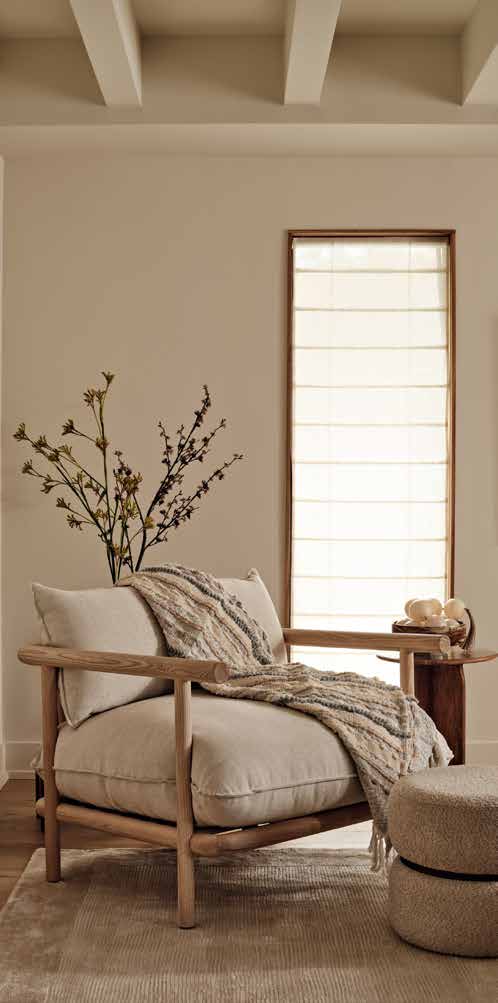
 As a designer, I’m always thinking about how materials shape a space, not just how they look, but how they feel to live in. While I pay close attention to trends and innovation, my approach to material selection is grounded in quality, craftsmanship, and longevity.
I’m drawn to materials that evolve gracefully over time, rather than ones that feel tied to a moment. Trends and tastes move quickly, but clients often outgrow them even faster, which is why my goal is to create spaces they will love for years and that can adapt to different stages of life.
Flooring plays a particularly important role in this process. It is the surface people connect with most physically – walked on daily, felt underfoot, lived on – so naturally it demands a longer view. Because of this, the trends we see in flooring tend to align with longevity rather than novelty. The right floor influences how light travels through a space, how furniture sits, and how people move and gather. It sets the emotional tone of a room in a way few other materials can.
There is a clear shift away from overly uniform or generic finishes toward wood floors that feel layered, warm, and tactile. Subtle variation in grain, tone, and texture is valued increasingly, as are finishes that highlight a material’s natural character rather than mask it. This is where classic choices such as rift and quartersawn white oak lead consistently. Their refined grain structure, stability, and timeless appearance make them well-suited to spaces designed to endure, both aesthetically and functionally.
Plank width and installation patterns also are becoming more expressive, with mixed widths and thoughtful layouts creating personality and flow across residential and commercial interiors. When executed with intention, these choices feel enduring rather than trendy.
Most recently, I renovated a home in Miami, Florida, using flooring that employs natural pigments to draw out the depth and color of the wood. It is the kind of material that improves with time, aging beautifully while anchoring the rest of the design quietly.
At the end of the day, the best flooring trends are the ones that enhance a space without calling attention to themselves, creating environments that feel grounded, timeless, and truly lived in.
At the NWFA Expo, I’ll be participating in a panel conversation focused on collaboration between architects, interior designers, and the wood flooring industry. It is an opportunity to have a practical, honest discussion about how these relationships actually function in the field, not just in theory, but on real jobsites.
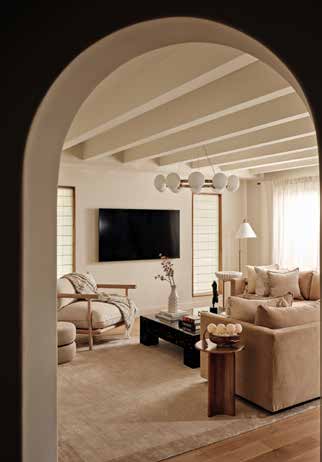 Moderated by Lawrence Skutelsky of PID Floors, the conversation will explore how design intent translates into execution, how wood flooring is specified and installed, and where stronger communication between designers and flooring professionals can improve outcomes meaningfully.
We will talk openly about the realities of the jobsite, sustainability considerations, and why early collaboration often is the difference between a project that merely looks good and one that truly performs over time.
Ultimately, the goal is alignment – between vision and execution, design and craft. When designers and flooring professionals work together from the outset, the result is not only a more efficient process, but spaces that age better, function better, and feel more considered for the people who live and work in them.
Karen Asprea is the founder of Asprea Studio, an internationally recognized interior design firm based in New York’s Tribeca neighborhood. Since launching the studio in 2018, she has built a practice centered on thoughtful, long-lasting interiors across residential, hospitality, commercial, and large-scale development projects. Learn more at aspreastudio.com.
