








As you’ll read in the 2027 National Wood Flooring Association (NWFA) Industry Outlook in this issue of Hardwood Floors magazine, wood-look flooring options remain strong competition. There are many attributes that set real wood flooring above and beyond carpet, LVT, and the rest. However, wood’s sustainability story is where, time and again, we are able to gather evidence to support our case of being the greenest flooring product.
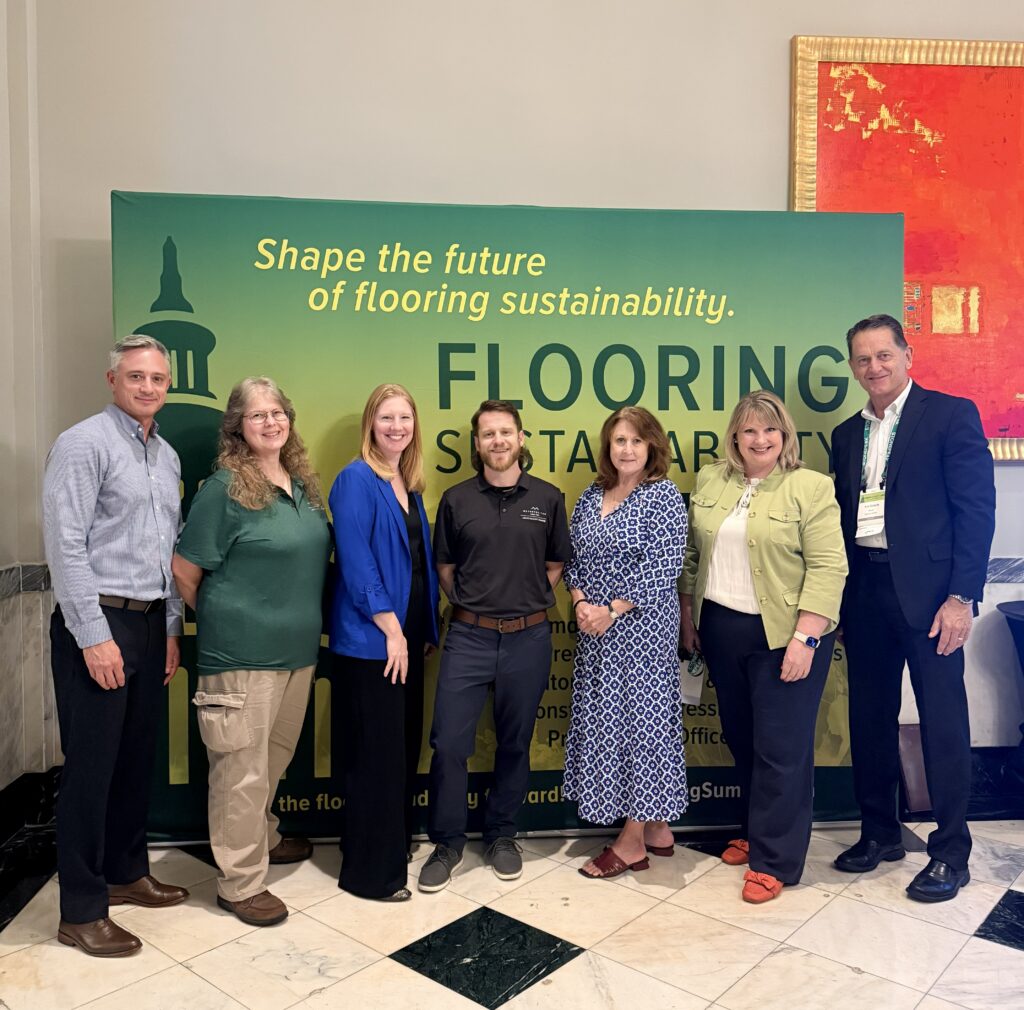
For the third year in a row, NWFA was a co-host of the Flooring Sustainability Summit, which was held this summer in Washington, D.C. The event brought together leaders from across the flooring industry and the broader built environment to share knowledge, identify solutions, and accelerate progress toward a more sustainable future.
Kirk Roberts, senior vice president of strategic development for Bona and NWFA board member, participated in a panel titled “Flooring Manufacturers’ Voyage: Navigating Sustainability in Carpet, Ceramic, Laminate, Stone, Vinyl, Wood, and Other Surface Coverings.”
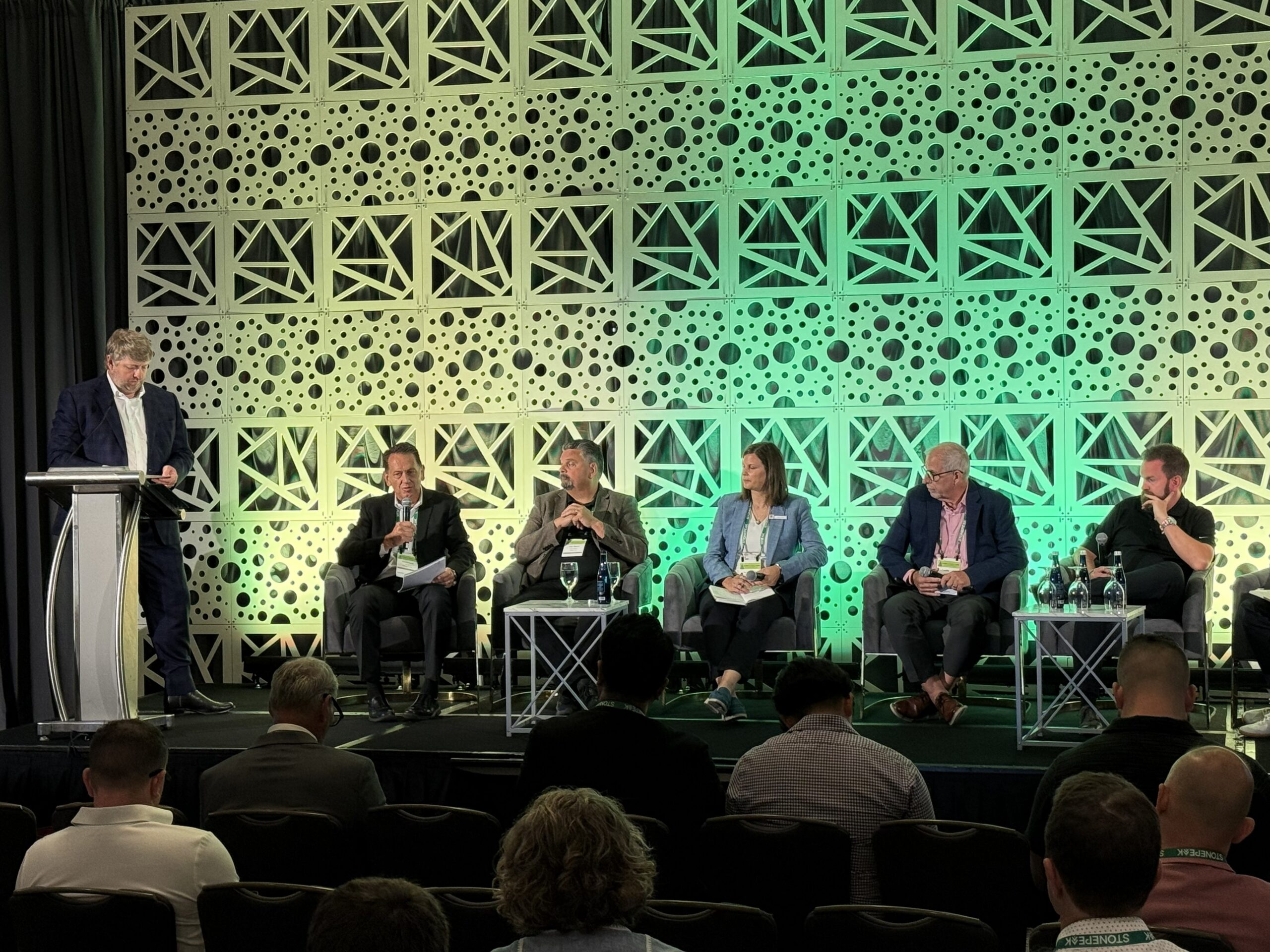
The discussion centered around how different flooring sectors are addressing today’s sustainability priorities. Panelists also discussed the challenges they’re facing and the innovative approaches they’re taking to meet the evolving expectations of architects, designers, building owners, and the marketplace.
Other sessions included Inside the Architect’s Studio: Sustainable Flooring Decisions and Bridging the Gap: A Panel-Led Open Forum Bringing Manufacturers, Distributors, Retailers, and Installers Together to Strategize Next Steps, as well as briefings from the U.S. Chamber of Commerce, ASTM International, U.S. Green Building Council, American Society of Interior Designers, and more.
There was a solid delegation of NWFA members at the Summit, but it still felt as though wood was underrepresented in this space. The closing keynote by Cheryl Durst, CEO of the International Interior Design Association, focused on storytelling. She brought together so many of the themes we had heard throughout the event, particularly the importance of storytelling and being intentional about how we communicate.
For me, it reinforced that wood flooring has one of the strongest sustainability stories, and we have to do a better job telling it. Durability, longevity, and the ability for many wood floors to be renewed rather than replaced are meaningful attributes, but we cannot assume people already understand those benefits. As an industry, we have both an opportunity and a responsibility to share them more effectively and authentically so architects, designers, and consumers can make informed decisions.
The biggest accomplishment of the Sustainability Summit was the quality of the dialogue across different parts of the industry and the A&D community. It is easy for each segment of the supply chain to have conversations within its own circle. The Summit created an opportunity to hear directly from people who manufacture products, specify them, sell them, install them, and evaluate their environmental impact.
There seemed to be a real appetite for making sustainability easier to understand and communicate throughout the supply chain. Now, let’s bring wood to the forefront of this conversation by taking the data, research, certifications, and environmental attributes supporting wood floors and connecting those facts to a story people understand and remember. Resources from the NWFA, including Environmental Product Declarations and the Life Cycle Cost Analysis, are available at nwfa.org/environment.