








EVERY INSTALLATION CREATES A FLOORING SYSTEM
Every flooring installer has returned to a job expecting to admire a successful installation, only to find curled edges, warped materials, or discoloration. The floor was perfect the day they left. So, what changed?
In most cases, the flooring suddenly did not fail. The flooring system simply continued to behave according to the laws of physics.
Too often we think of our job as installing floors. In reality, we’re creating flooring systems. Every layer, from the soil beneath the slab to the finished floor, becomes part of a dynamic system that continues to change long after we leave the jobsite. Understanding how that system behaves over time is one of the biggest differences between installations that perform for decades and those that fail months later.
Moisture is one of the most important parts of every flooring system. It isn’t simply “in the concrete.” It moves, redistributes, and seeks equilibrium. If we don’t understand those dynamics, a properly installed wood floor still may create conditions for failure.
CONCRETE IS NOT DRY – IT IS DRYING
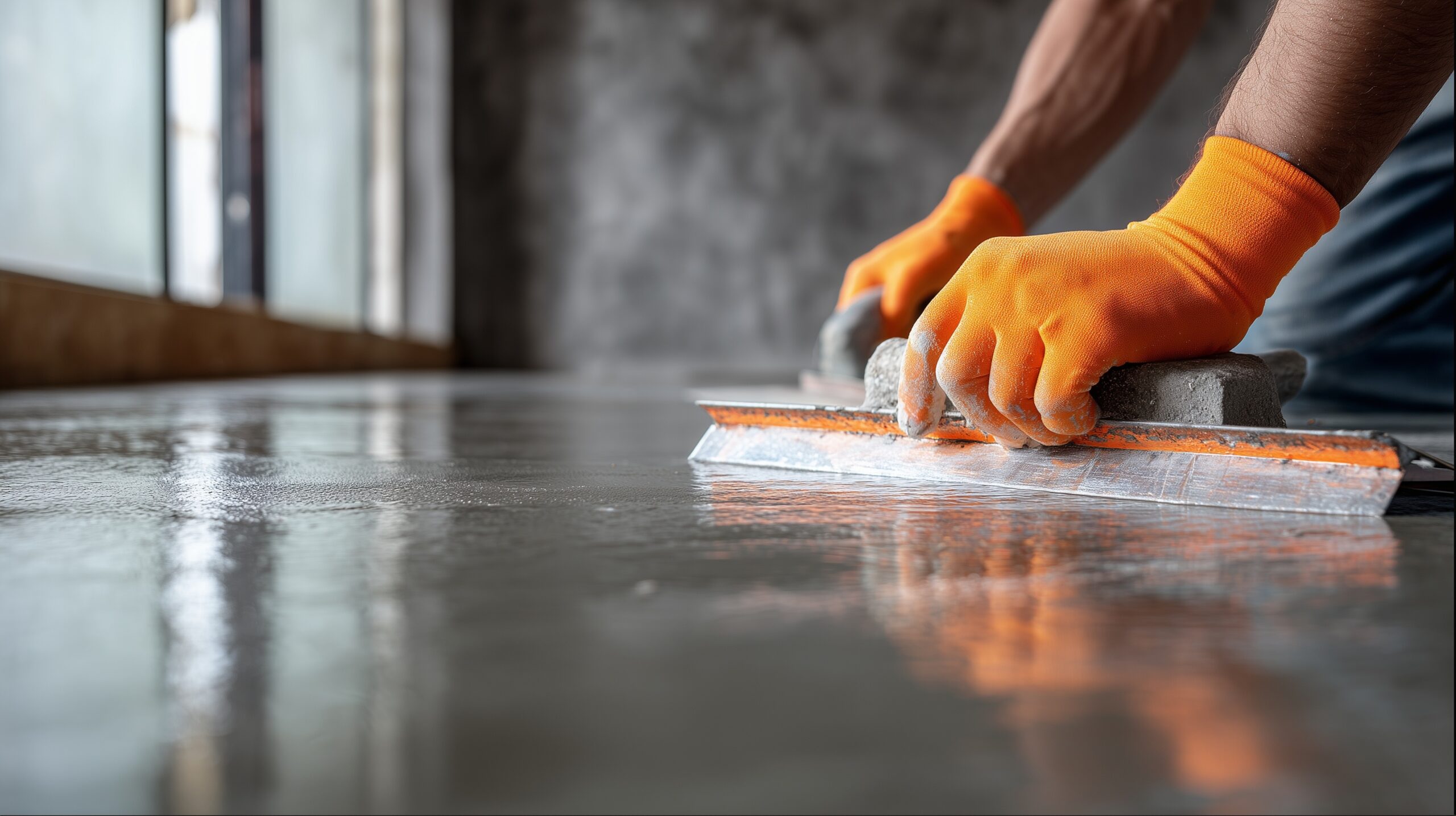
If we’re going to understand why flooring systems succeed or fail, we first must understand the concrete.
Concrete is never really “dry.” It always is drying. When concrete is placed, it contains far more water than cement hydration requires. The excess water remains within the slab long after the surface appears dry. It continues moving through the slab as it seeks equilibrium.
A slab may look ready for flooring, while deeper within it, moisture levels could remain high enough to threaten the long-term performance of moisture-sensitive adhesives, coatings, and flooring materials. Concrete doesn’t care about schedules. It follows the laws of physics.
THE GROUND DOESN’T STOP SUPPLYING MOISTURE
Every slab-on-ground rests on soil that remains near 100 percent relative humidity. Unless a properly functioning vapor retarder separates that moisture from the slab, the ground remains a continuous source of moisture for the life of the building.
Once a low-permeance flooring system is installed, moisture can no longer leave the slab as it did during its drying. Instead, moisture within the concrete redistributes until it reaches a new equilibrium beneath the finished floor. That new moisture condition influences the potential for a moisture-sensitive flooring system, such as wood, to succeed or fail. A properly installed Class I vapor retarder isn’t simply another material beneath the slab; it’s one of the most important components of the entire flooring system.
LOOKING AT THE SURFACE DOESN’T TELL THE WHOLE STORY
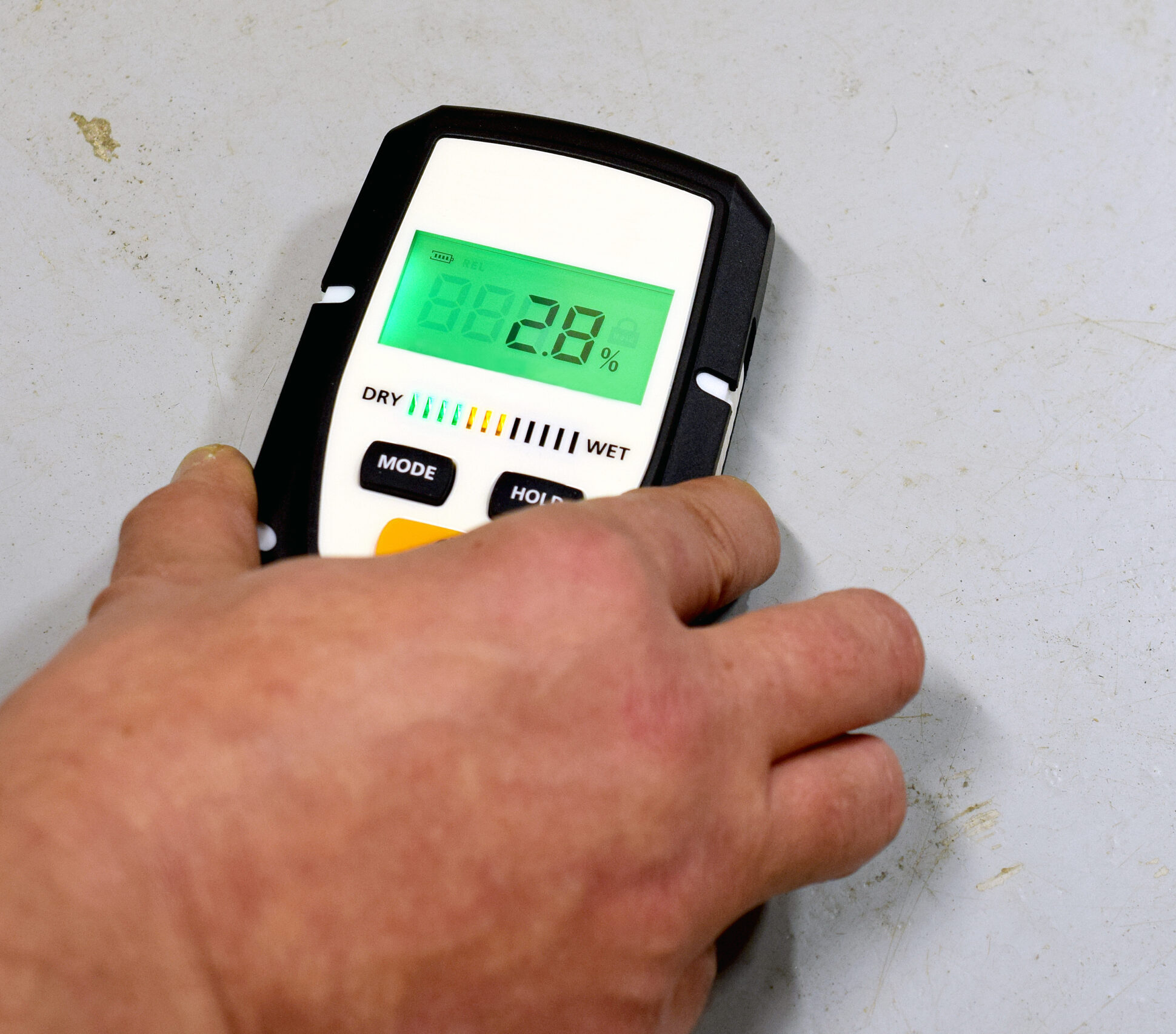
Surface moisture meters are valuable tools because they quickly identify areas that deserve further investigation. But they answer only one question: What is happening at the surface today?
The more important question is: What moisture condition will exist beneath this flooring after it’s installed?
That’s the question in-situ relative humidity testing was developed to answer. It measures the moisture condition within the slab that research has shown represents the environment beneath a low-permeance floor after equilibrium.
Surface measurements and in-situ RH testing are not competing methods. They answer different questions. The more we understand the true moisture conditions of the concrete, the better we can recognize why floors succeed.
FAILURES FOLLOW PROCESS GAPS
Moisture failures rarely happen because a product suddenly stopped working. They happen because part of the process was incomplete.
Maybe the slab lacked a functioning vapor retarder. Maybe the concrete wasn’t tested adequately prior to flooring being installed. Maybe the flooring manufacturer’s requirements weren’t followed. Whatever the reason, usually failures begin long before the flooring is installed. Every successful installation depends on a series of good decisions. Skip one step, and you have weakened the entire flooring system.
THE INDUSTRY ALREADY KNOWS HOW TO PREVENT THESE FAILURES
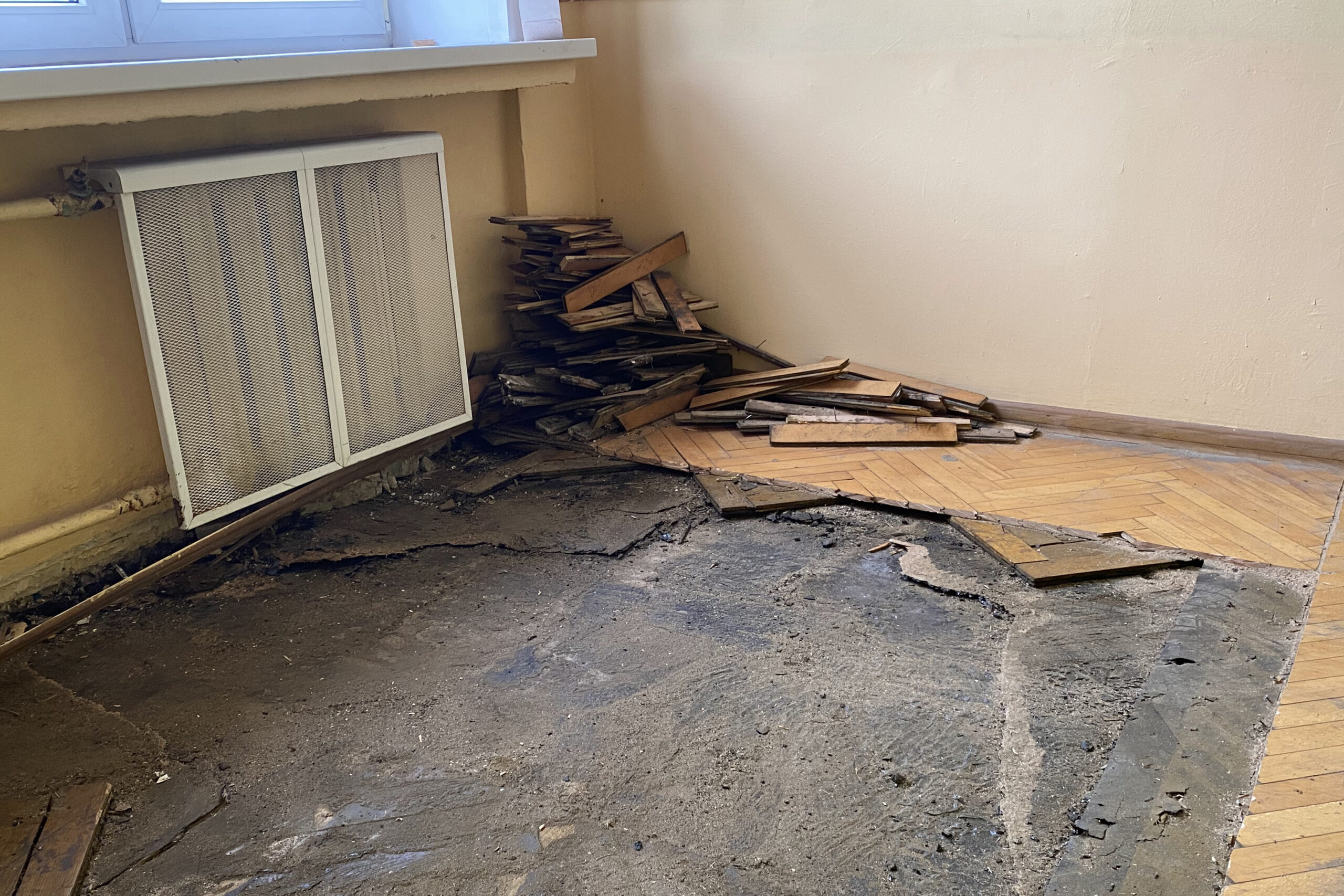
The flooring industry doesn’t suffer from a lack of products, standards, or testing methods. What we continue to struggle with is that even with a properly installed wood floor, the systems we use still may be exposed to ever-changing moisture conditions long after installation is complete.
Understanding concrete moisture isn’t about taking a class or satisfying a specification. It’s about understanding the moisture conditions that the flooring system will experience throughout its service life. Every flooring installer influences how that flooring system will perform for years – even decades – to come.
The products matter. The workmanship matters. But understanding the system matters most. When we understand how moisture behaves and how to evaluate that moisture properly, we stop hoping a floor will perform. We begin expecting it to.
JD Grafton is an independent concrete flooring consultant with more than 30 years of experience investigating moisture-related flooring failures. A member of ASTM Committee F06, his career includes quality control and warranty management for Marshall Erdman & Associates, consulting for flooring manufacturers, and national technical training. He is committed to helping the flooring industry prevent costly failures through sound science, established standards, and proven field practices.
