








After three decades working alongside contractors, product developers, and facility managers, certain truths become unavoidable. One of the most important is this: waterborne wood floor coatings didn’t just improve sports floor finishing — fundamentally they changed how floors are maintained, protected, and valued over time.
I’ve watched the industry evolve from reactive refinishing to proactive, system-based maintenance. Early in my career, sports floors were treated as occasional sanding projects. Today, the most successful contractors approach them as long-term assets supported by routine, interim, and restorative care. At the center of that shift is waterborne coating technology.
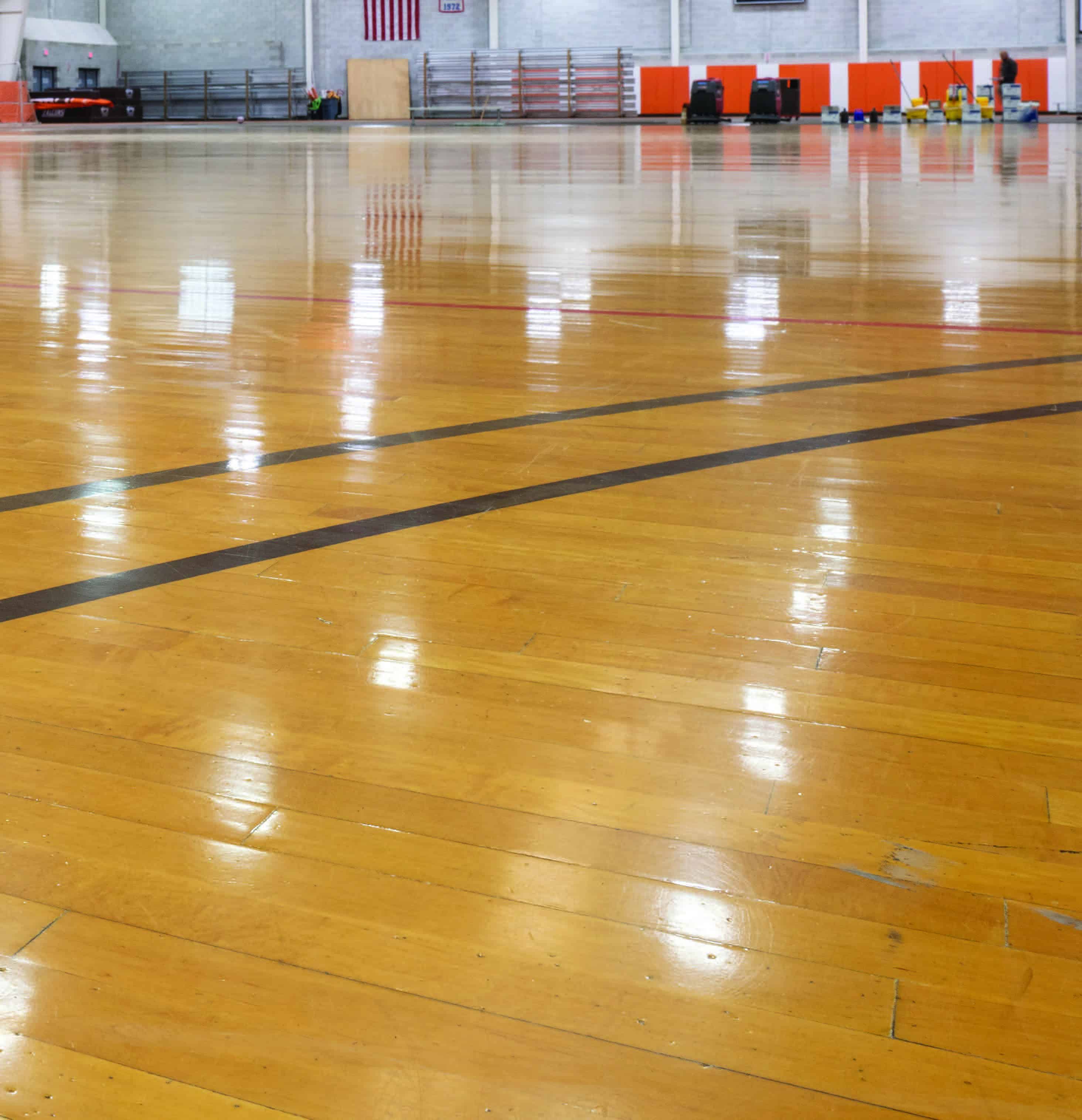
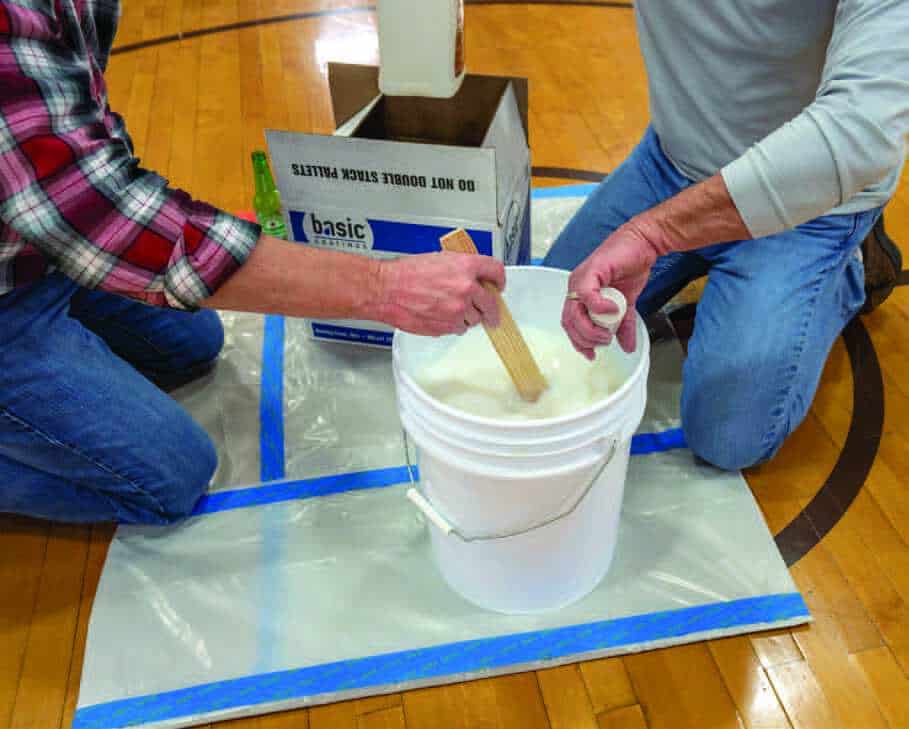
SAFETY FIRST, ALWAYS
The initial driver behind the sports floor industry’s move away from oil-modified finishes was safety – and for good reason. Oil-based systems brought fire hazards, intense solvent odors, and extended shutdowns for facilities. Low-odor, low-VOC waterborne coating formulations allow schools and athletic facilities to remain operational, often reopening within hours instead of days. There is no risk of oily waste ignition, no need for facility evacuation, and far fewer compliance concerns for contractors. For crews, this translates into safer jobsites. For facility managers, it means confidence that maintenance won’t disrupt schedules or create liability. Safety isn’t a secondary benefit of waterborne systems it’s foundational.
CLARITY THAT SHOWCASES THE FLOOR, NOT THE FINISH
One of the most overlooked benefits of waterborne coatings is optical clarity. Unlike oil based finishes that amber over time, waterborne systems maintain color consistency and preserve the natural appearance of the wood. This matters on sports floors, where line definition, logo visibility, and consistent color play a role in both aesthetics and performance. Clear films allow maple grain and game markings to remain crisp year after year, even through multiple maintenance cycles. For contractors, clarity also means predictability. Touch-ups, recoats, and interim maintenance blend seamlessly without color shift, eliminating one of the most-common client complaints associated with traditional systems.
HARDNESS, DURABILITY, AND FASTER RETURN TO PLAY
Modern waterborne coatings deliver exceptional film hardness. That hardness translates directly into abrasion resistance, chemical resistance, and reduced wear in high-traffic zones like lanes, keys, and volleyball courts. Just as important are fast dry and recoat times. Most waterborne finishes allow recoating within hours and return-to-play windows within 24 to 48 hours. That speed changes the economics of floor care. Contractors can complete projects faster, facilities experience minimal downtime, and maintenance can be scheduled proactively instead of postponed until failure. Fast curing also enables multi-coat applications in a single day, helping rebuild film thickness during restorative maintenance without extended closures.
PREDICTABLE BONDING ACROSS MAINTENANCE PHASES
Waterborne finishes cure through water evaporation rather than oxidation. That distinction matters. The result is consistent film formation and reliable intercoat adhesion, regardless of seasonal or environmental variation. This predictability is what enables today’s advanced maintenance systems – scrub and recoat programs, dust-free chemical bonding, and tint coating. With waterborne chemistry, contractors confidently can bond new finish to existing films without sanding down to bare wood. It also eliminates one of the biggest risks in sports floor maintenance: adhesion failure caused by incompatible coatings or contamination.
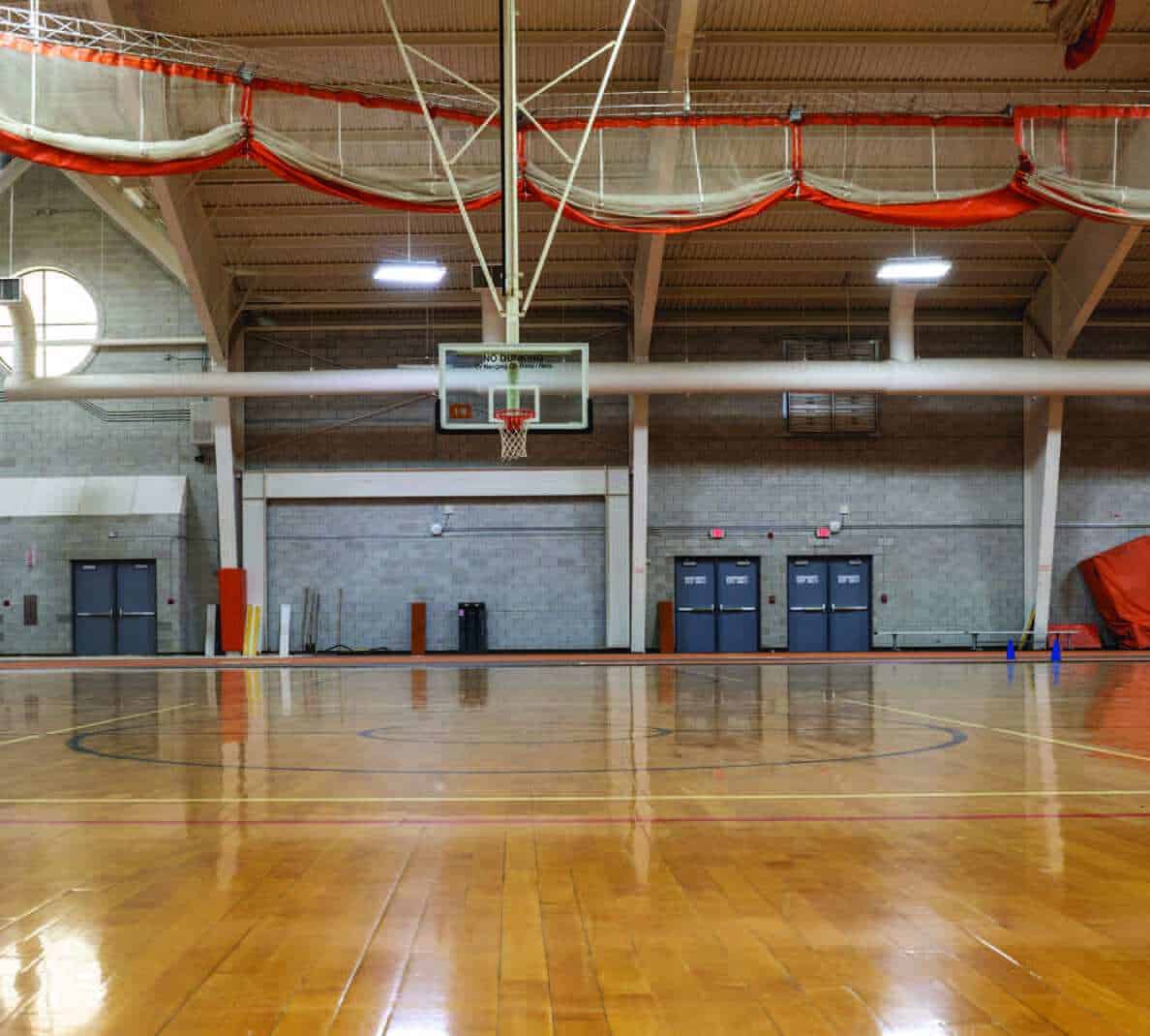
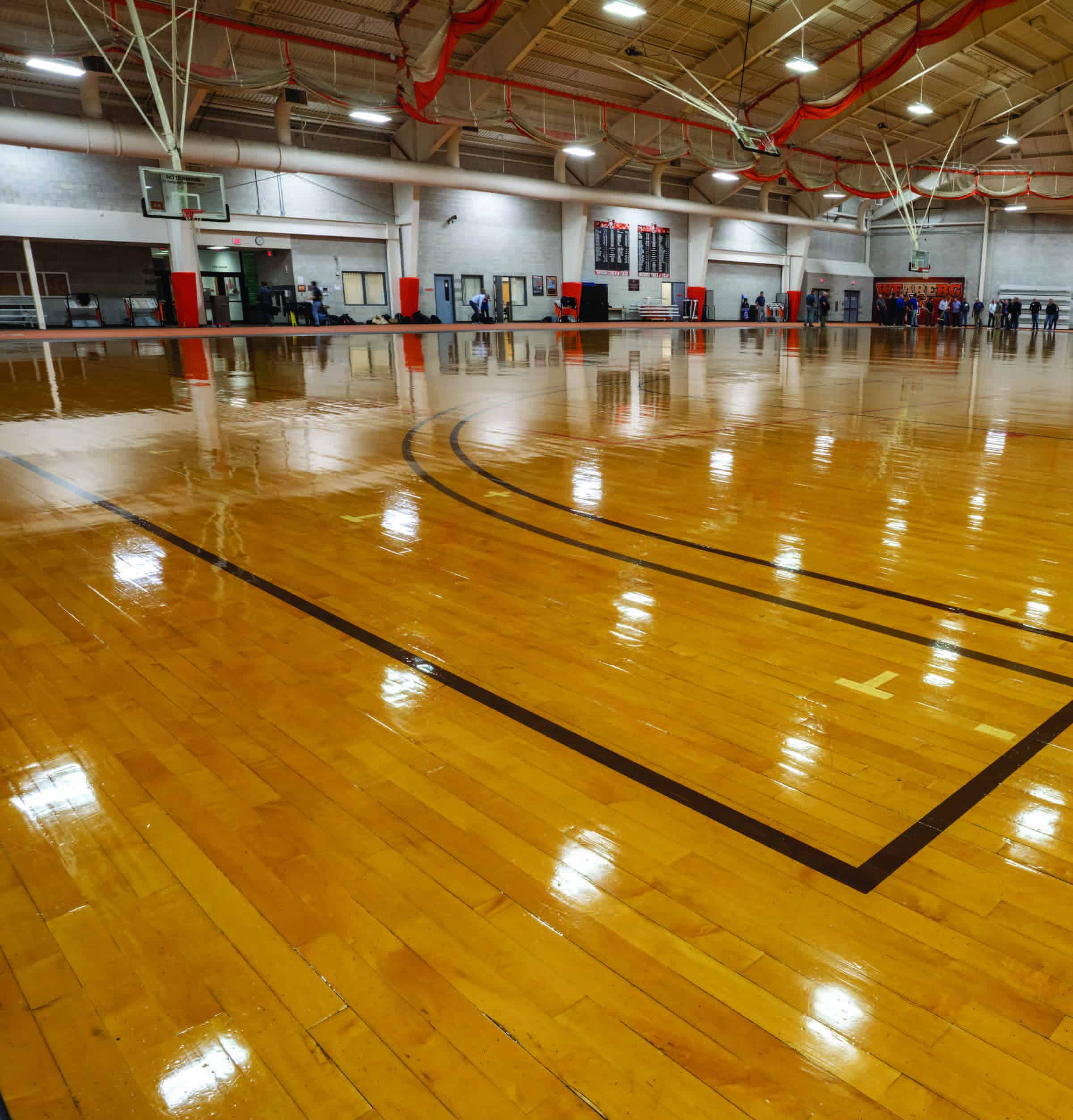
INTERIM MAINTENANCE
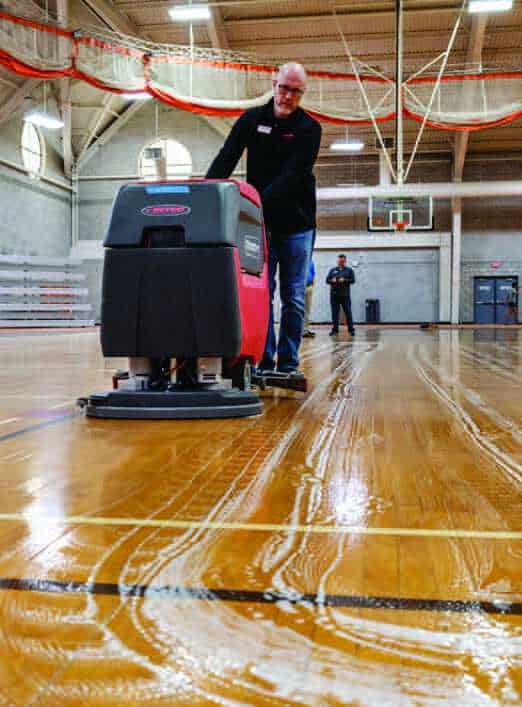
Screen-and-recoat and scrub-and-recoat programs restore gloss, protection, and performance – extending floor life and reducing long-term costs. Waterborne systems tolerate these cycles exceptionally well. Their lower surface tension allows new finish to flow into micro-scratches and worn areas, creating strong mechanical and chemical bonds. When paired with proper cleaning protocols and neutralization, adhesion is both reliable and repeatable.
FILM FLEXIBILITY ENABLES INNOVATION
Because waterborne coatings remain clear, stable, and compatible across multiple applications, they have unlocked innovations like tint coating – the ability to adjust color during coating rather than sanding. Tint coating allows contractors to refresh faded floors, modify color tone, or modernize aesthetics without removing large amounts of wood. The result is faster projects, less material removal, and more lifetime sandings available during the floor’s lifespan. This flexibility only is possible because waterborne films accept pigments uniformly while maintaining clarity and performance.
A SMARTER MODEL FOR CONTRACTORS AND FACILITIES
The contractors who thrive today are those who understand that sports floor care isn’t about selling a refinish – it’s about managing a system. Waterborne coatings support routine maintenance guidance, enable profitable interim services, and deliver durable restorative solutions when needed. Facilities benefit from safer environments, shorter closures, and longer-lasting floors. Contractors benefit from differentiation, repeat business, and higher margin services built on expertise rather than emergency repairs.
 LOOKING FORWARD
Waterborne wood floor coatings aren’t a trend – they are the foundation of modern sports floor maintenance. Their safety, clarity, hardness, and fast cure times have reshaped expectations for both performance and service delivery. As technology continues to advance, the opportunity lies with contractors who embrace these systems as tools to build long term partnerships, preserve customer investments, and elevate the standard of care across the industry.
Jeff Iverson is director of floor care innovations at Betco® and Basic Coatings® in Bowling Green, Ohio.
